

Ramadan is not simply a month of fasting; it is a very intense period of renewal that affects the entire being, including the soul, the mind, and the body. The month is the most anticipated period of the year for more than 1.8 billion Muslims in different parts of the world. This is a time of mercy, forgiveness, and healing, during which people can reflect, ponder, and even change the direction of their lives toward good. Learning about the importance of Ramadan in Islam helps us to understand why this month is referred to as the “Sultan of all months.”
Below, we discuss ten main spiritual and moral benefits that demonstrate the real importance of Ramadan in Islam.
Visit Now:https://thewiseera.com/
Attaining Taqwa (God-Consciousness)
The Quran indicates that the main objective of fasting is to achieve Taqwa. Taqwa, in Arabic, is a term that goes beyond just piety, covering God-awareness and self-control as well. When a person refrains from food and water—necessities of life—solely for the sake of Allah, they develop a heightened sense of awareness of the Divine. This is the core Importance of Ramadan in Islam: it trains the heart to remember God not just during prayer, but in every waking moment, shielding the soul from sin.
A Celebration of the Holy Quran
Ramadan is intrinsically linked to the revelation of the Quran. It was during the night of Laylat al-Qadr in this month that the first verses were sent down to Prophet Muhammad (PBUH). The nightly hours of the Muslim community are dedicated during this holy month to the performance of the Tarawih prayers and getting through the recitation of the whole Quran.
Theimportance of Ramadan in Islam gets very much justified in the process of “re-establishing” this relationship with God through the Divine Word, thus inviting the believers to read, comprehend, and practice the teachings of the Qur’an in their day-to-day lives.
Also Read: Dua for Laylatul Qadr – Most Powerful Night Prayer
Cultivating Sabr (Patience and Fortitude)
On the other hand, Ramadan is a period of self-control and discipline that still belongs to the pious. One of the main ways in which fasting is considered a spiritual act is through the practice of patience. Moreover, this virtue is not just related to the patience of the person who abstains from food and drink but also to the whole process of fasting that lasts from dawn till sunset.
The fasting of the month will enhance the moral aspect of your life and the good manners you have learned at the dining table; it will make you more patient with others, less irritable under pressure, and capable of taking life’s trials with dignity. This control is a very important part ofthe importance of Ramadan in Islam.
Purification of the Soul and Forgiveness
We all carry the weight of our mistakes. Ramadan acts as a spiritual “dry cleaner” for the soul. The Prophet (PBUH) taught that whoever fasts with sincere faith and hope for reward will have their previous sins forgiven. This month provides a structured environment for Tawbah (repentance). The Importance of Ramadan in Islam lies in this divine opportunity to wipe the slate clean and start fresh with a purified heart.
Empathy for the Less Fortunate
It is easy to sympathize with the poor, but it is entirely different to feel what they feel. When your stomach growls at midday, you gain a physical understanding of the struggles faced by the hungry. This realization transforms abstract “charity” into deep-rooted “empathy.” The Importance of Ramadan in Islam is seen in the surge of global generosity during this month, as Muslims are encouraged to give Sadaqah and Zakat more than at any other time.
Strengthening Self-Discipline and Willpower
Modern psychology often mentions ego depletion, the state of diminishing self-control. Ramadan serves as an intensive boot camp for the will. If you can say “no” to a glass of water when you are parched, you develop the strength to say “no” to anger, backbiting, and dishonesty. The Importance of Ramadan in Islam is that it proves to the individual that they are the master of their desires, not the other way around.
Social Cohesion and Brotherhood
Ramadan breaks down the walls of social hierarchy. In the mosque, the wealthy businessman stands shoulder-to-shoulder with the laborer. They break their fast on the same date and pray the same prayers. This communal feature strengthens the concept of the Ummah (universal community) further. Through these common Ramadan practices of Iftar and Suhoor, the Importance of Ramadan in Islam became evident, and thus, people began to feel connected and express their love to one another.
The Blessing of Laylat al-Qadr
Among the last ten nights of Ramadan is Laylat al-Qadr (The Night of Decree), which is hidden. The Quran describes this night as being better than a thousand months (roughly 83 years). Seeking this night encourages a “spiritual sprint” toward the end of the month. The Importance of Ramadan in Islam is magnified by this night, offering a lifetime’s worth of rewards for those who spend it in sincere worship and prayer.
Physical Health and Detoxification
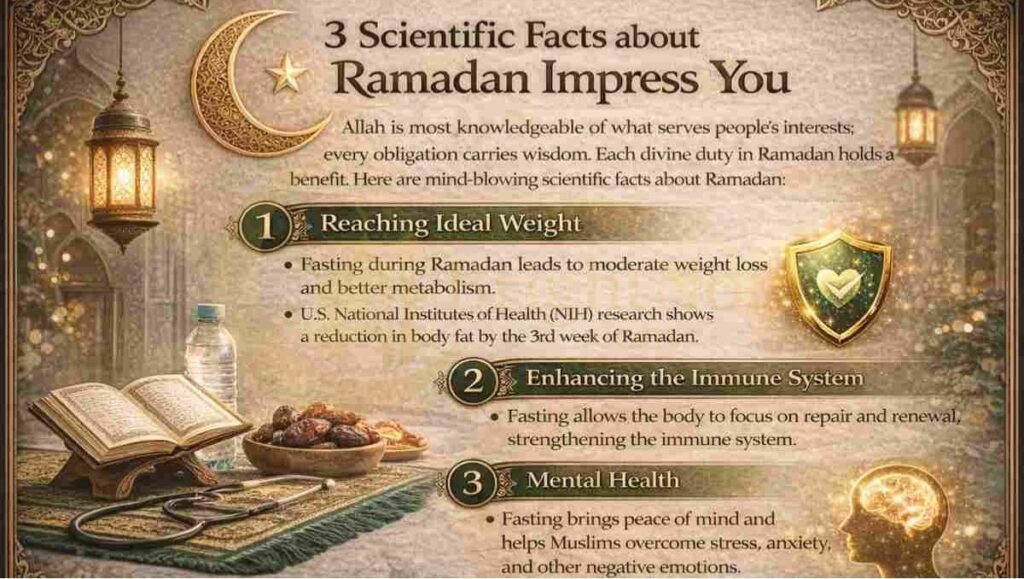
The advantages of fasting during Ramadan are not only limited to the spiritual aspect, but the physical benefits are also undeniable. According to scientific studies, the same kind of fasting as practiced by Muslims, if done for a period, can result in the repair of the cells, the improvement of the body’s insulin sensitivity, and the removal of harmful substances.
The digestive process gets a good rest. This holistic method of treating both the spirit and the body is an important, though not always apparent, aspect of the Importance of Ramadan in Islam.
Reforming Character and Manners
Prophet Muhammad (PBUH) (the Holy Prophet) is reported to have said that Allah would never be unjust to man by withdrawing his sustenance, while he disclaimed responsibility for that, if the latter does not mend his ways and indulges in perjury and severe acts. Fasting serves to protect one from developing such a character. It forces a person to be mindful of their speech and actions. This moral refinement is the lasting legacy of the month. The Importance of Ramadan in Islam is that it aims to produce a person who is kind, honest, and humble long after the month has passed.
Also Read: Surah Al-Imran – Deep Insights & Divine Guidance
Conclusion
The Importance of Ramadan in Islam cannot be summed up in just words; it must be felt through the silence of the fast and the hum of the night prayers. This month compels us to perform an internal audit before we turn our attention to the outside world. The lesson that it sends us is that we are souls encased in bodies, and the source of our power has to do with our worshiping God (Allah) and helping people.
The waxing and waning of the crescent moon signal the coming of a person who has trained himself/her/himself to be more disciplined, understanding, and in the right state of mind with God. This personality change is the very reason why the holy month is regarded as the ultimate gift.
FAQ’s
Why is Ramadan so special for Muslims?
This month offers the perfect opportunity for worship, fasting, and drawing closer to God.
What spiritual lessons are learned during this holy month?
It teaches patience, gratitude, self-control, and strengthens one’s faith.
How does fasting help improve character?
Fasting keeps a person away from wrongdoing and enhances discipline, compassion, and good habits.
What role does worship play in this sacred month?
Reciting the Quran, making dua, and praying bring peace to the heart and spiritual strength.
How does this month bring Muslims closer to God?
Increased worship and striving to avoid sins strengthen the connection with God.