

The holy month reaches its crucial stage when the crescent moon progresses to its full moon state and the initial Ramadan festivities of the first ten days evolve into more profound spiritual practices. The Ramadan Second Ashra functions as the final chance to “spiritual reset” which follows the first ten days that establish our spiritual path through the Ashra of Mercy. The Ashra of Maghfirat designates these ten days to people who want to obtain Allah (SWT) forgiveness.
This time serves as a sacred period for Muslims throughout the world because it provides them an opportunity to remove their previous sins while restoring harmony with their Creator. The article examines three main aspects which include its deep meaning and necessary prayers and all the methods you can use to properly observe the Days of Forgiveness.
Visit Now:https://duaguidance.com/
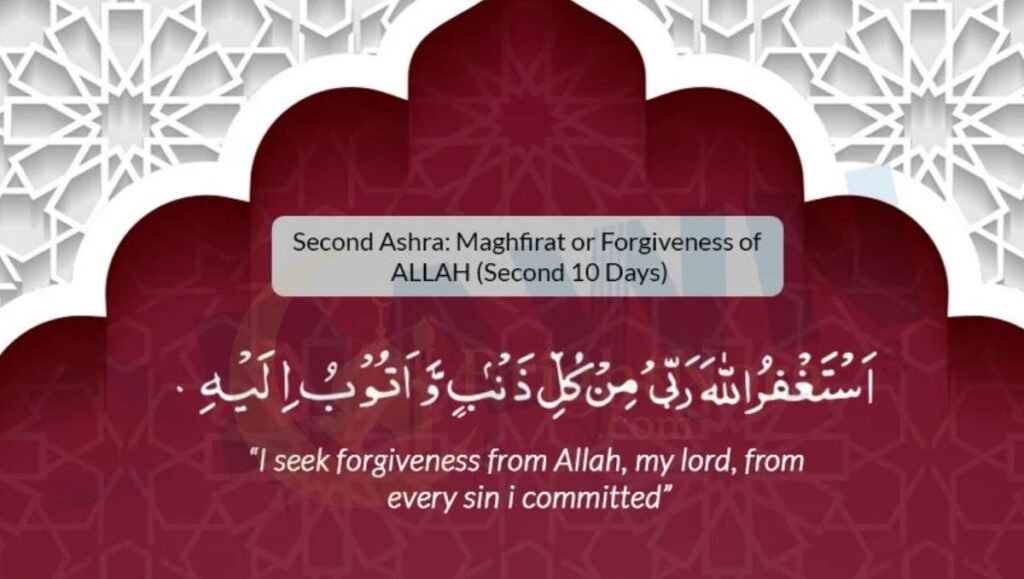
What is the Second Ashra of Ramadan?
The word Ashra is Arabic for “ten,” and Ramadan is traditionally divided into three parts. The Ramadan Second Ashra encompasses the 11th to the 20th day of the fasting month.
Why is it called the Ashra of Maghfirat?
The Prophet Muhammad (PBUH) reportedly said:
The first ten days of Ramadan bring Mercy to the world, while the middle ten days of Ramadan grant Forgiveness to people, and the final ten days of Ramadan provide Salvation from Hellfire. (Bayhaqi)
While Allah’s mercy and forgiveness are available year-round, these middle ten days are a specialized season of grace. It is a time when the gates of repentance are swung wide open. It is called the Ashra of Maghfirat because the focus shifts from receiving general mercy to actively seeking the erasure of our sins.
Quranic and Hadith Perspective
The Quran reminds us of Allah’s nature: “And seek forgiveness of Allah. Indeed, Allah is Ever-Forgiving, Most Merciful.” (Surah Al-Muzzammil, 73:20).
The Prophet (PBUH) taught through another Hadith that a person who observes Ramadan without receiving forgiveness for their sins has experienced true misfortune. This shows that the Ramadan Second Ashra period functions as an essential time period which people must use to achieve their spiritual purification.
Also Read: Ramadan 2026 Daily Guide: Duas, Sehri Tips & Ibadah Schedule
Importance of Seeking Forgiveness in This Ashra
The search for Maghfirat (forgiveness) requires more than just saying “I apologize.” The process of transformation leads to multiple effects which change the inner self.
- Purification of the Heart: Sins act like black spots on the spiritual heart. The act of Istighfar (seeking forgiveness) functions as a purification process which restores the heart to its original state of brightness that it uses to see divine illumination.
- Strengthening Faith (Iman): Our relationship with Allah develops through our practice of recognizing personal deficiencies. The statement teaches us that we depend on Him who provides everything while He remains in complete control.
- Unlocking Blessings: The Quran teaches that people who ask for forgiveness will receive both material and spiritual blessings. The Quran states in Surah Nuh that people who seek forgiveness will receive rain and wealth and children as blessings.
- Mental Peace: Guilt creates a severe mental obstacle. Divine forgiveness brings people complete psychological freedom which results in deep inner peace.
Powerful Duas for the Second Ashra
The most effective way to engage with the Ramadan Second Ashra is through consistent Dhikr (remembrance) and specific supplications. While you can ask Allah in any language, the prophetic words carry a unique weight.
The Essential Dua for Maghfirat
The following prayer is highly recommended throughout these ten days:
رَبِّ اغْفِرْ لِي وَارْحَمْنِي وَأَنْتَ خَيْرُ الرَّاحِمِينَ
Transliteration: Rabbighfir li warhamni wa anta khairur raahimeen
Translation: “My Lord, forgive me and have mercy upon me; You are the Best of the merciful.”
The Master of Forgiveness (Sayyidul Istighfar)
To maximize your rewards, recite the “Master of Forgiveness” every morning and evening:
“O Allah, You are my Lord, there is no God but You. You created me and I am Your servant… I acknowledge Your favor upon me and I acknowledge my sin, so forgive me…”
Best Acts of Worship (عبادات) in the Second Ashra
The complete observance of Ramadan Second Ashra requires people to practice more than basic fasting. The following worship activities will bring the greatest benefits to practice:
1. Increased Istighfar
Make “Astaghfirullah” (I seek forgiveness from Allah) the constant melody of your tongue. The remembrance of Allah should remain in your mind during all activities including commuting and cooking and resting.
2. The Tahajjud Prayer
The last third of the night is the prime time for forgiveness. Allah descends to the lowest heaven and asks, “Who is seeking My forgiveness so that I may forgive him?” Waking up just 15 minutes before Suhoor for two Rakat of Tahajjud can change your life.
3. Recitation of the Quran
Don’t just read the Quran; engage with it. Focus on verses that mention Allah’s names of Mercy (Ar-Rahman, Ar-Raheem, Al-Ghaffur). Let the words of Allah soften your heart and inspire sincere repentance.
4. Charity and Kindness
The Prophet (PBUH) was the most generous of people, and even more so in Ramadan. Charity “extinguishes sin as water extinguishes fire.” Use this Ashra to be kind to those you may have wronged, and give what you can to those in need.
5. Sincere Repentance (Tawbah)
Repentance requires three steps:
- Stopping the sin immediately.
- Feeling genuine remorse.
- Firmly resolving never to return to that sin.
Also Read: Ramadan 2026 Meal Tips for Better Energy
Daily Forgiveness Plan (11th to 20th Ramadan)
Use this table as a checklist to ensure you stay focused during the Ramadan Second Ashra.
| Focus Action | Spiritual Goal |
| Think about your past mistakes | Learn what you need to improve. |
| Say “Rabbighfir li” 100 times | Ask Allah for forgiveness and mercy. |
| Pray Tahajjud | Talk to Allah privately at night. |
| Forgive someone | Gain Allah’s forgiveness by forgiving others. |
| Give Sadaqah (charity) | Cleanse your wealth and heart. |
| Read Surah Al-Ikhlas 10 times | Remember that Allah is One. |
| Reflect on the Battle of Badr | Remember Allah helps in hard times. |
| Spend time with family | Strengthen family relationships. |
| Pray more Sunnah prayers | Cover the weaknesses in your Fardh prayers. |
| Prepare for Itikaf / last 10 days | Finish this Ashra with strong determination. |
Common Mistakes to Avoid
The best intentions of people lead them to fall into traps which stop their progress during Ramadan Second Ashra.
- Delaying Repentance: The person who delays their repentance until the last ten days needs immediate forgiveness because they have no control over their future existence.
- Asking Without Sincerity: The person who speaks Arabic uses its words without understanding because their mind is not present.
- Neglecting Mandatory (Fardh) Prayers: Your life should revolve around essential obligations because everything else exists to support your essential duties.
- Being Harsh with Others: The person who displays harsh behavior toward others shows their hypocrisy when they ask Allah for forgiveness while keeping minor grudges and showing arrogance to others.
Benefits of Maghfirat in Ramadan
The afterlife outcomes of the Second Ashra lead to present-day benefits which people experience in their current existence.
- A Clean Slate: The ability to transform my life according to my own willpower brings me the greatest sense of power.
- Increased Blessings (Barakah): The removal of sins leads to the elimination of all obstacles which prevent Allah’s blessings from reaching us. Your work and relationships and health will become easier for you to manage.
- Preparation for the Last Ashra: The Last Ashra requires you to search for Laylatul Qadr (The Night of Power) while you carry unrepented sins in your heart. The Second Ashra prepares you for the grand finale of Ramadan.
Also Read: Healthy Suhoor Tips for Ramadan 2026
Conclusion
The Ramadan Second Ashra is a bridge between the Mercy we received at the start of the month and the Salvation we hope for at the end. It is a period of intense spiritual grooming. Allah demonstrates his power to forgive all sins through his nature as Al-Ghaffur which means The All-Forgiving.
We should return to God during these ten days through our act of humble worship. The busyness of Iftar parties and Eid shopping should not cause you to lose track of these special days. Each night you should spend time to express your repentance through tears while you experience the tranquility of forgiveness.
Next Step: Start tonight by performing two Rakat of Salat-ul-Tawbah (Prayer of Repentance) and reciting the Second Ashra Dua 100 times.
FAQ’s
What is Ramadan Second Ashra?
Ramadan Second Ashra is the second ten days of Ramadan focused on seeking forgiveness (Maghfirah) from Allah.
What is the main theme of Ramadan Second Ashra?
The main theme of Ramadan Second Ashra is forgiveness, repentance, and asking Allah for mercy.
Which dua is recommended in Ramadan Second Ashra?
In Ramadan Second Ashra, Muslims often recite the dua “Rabbighfir li” and other supplications asking for forgiveness.
Why is Ramadan Second Ashra important?
Ramadan Second Ashra is important because it gives believers a special opportunity to seek Allah’s forgiveness and purify their hearts.
How can I make the most of Ramadan Second Ashra?
You can make the most of Ramadan Second Ashra by increasing prayers, reciting Quran, giving charity, and sincerely repenting for past sins.