
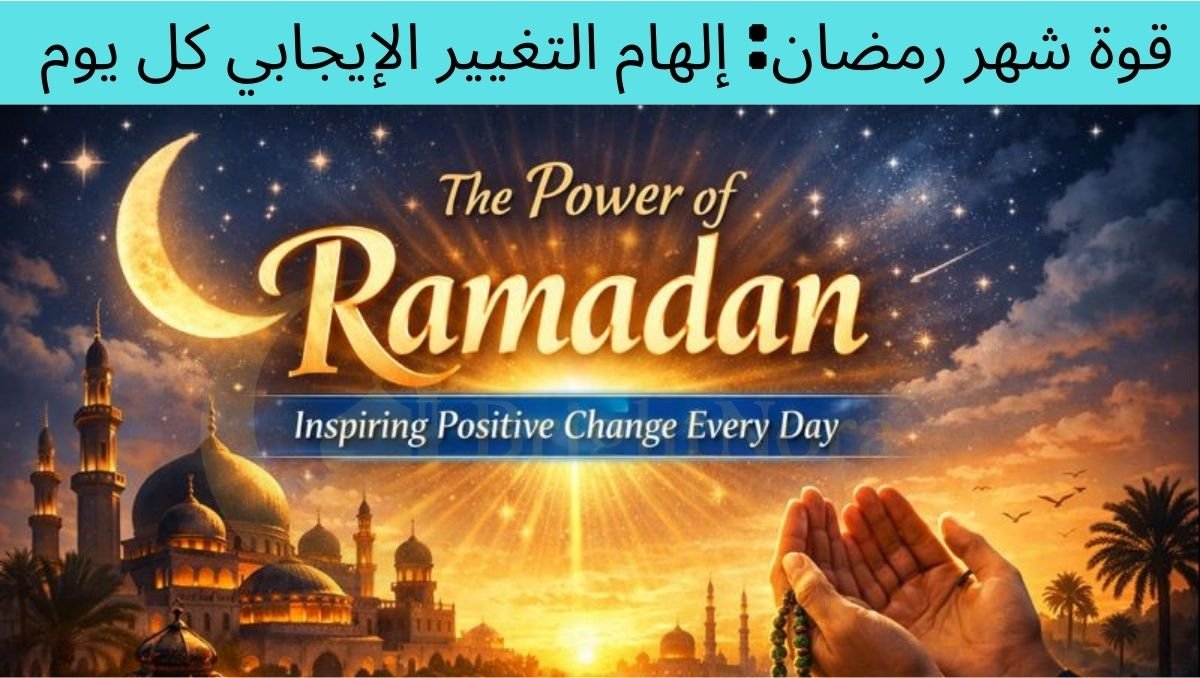
The arrival of the crescent moon brings more than just a lunar calendar transition to more than 1.8 billion people across the globe. It marks the beginning of a month-long journey of the soul. The true power of Ramadan exists beyond physical fasting because it enables people to experience deep personal transformation. The period provides a special time when people suspend their everyday routines to concentrate on their spiritual duties which enables them to establish new patterns that transform their internal state and their worldview.
The article will demonstrate how Ramadan functions as a self-improvement model which helps people develop through specific practices that create personal development and teach them how to maintain the holy month of Ramadan’s bright teachings throughout the entire year.
Visit Now:https://duaguidance.com/
Understanding the True Power of Ramadan
Ramadan is frequently described as a spiritual boot camp. This isn’t just a metaphor; it is a holistic experience that touches the spiritual, mental, and emotional facets of a human being.
1.A Spiritual Recharge
At its core, Ramadan is about Taqwa, an increased consciousness of the Divine. The practice of fasting from all food and beverages while avoiding earthly distractions between dawn and sunset enables the soul to experience complete freedom. The essential power of Ramadan manifests through a dedicated empty space which Muslims fill with their prayers and Quran recitation and their deep meditation.
2. Mental and Emotional Resilience
Fasting requires an incredible amount of willpower. The practice teaches the brain to control its current urges so that it can achieve its ultimate spiritual objectives. The scientific study of delayed gratification shows that this practice develops the prefrontal cortex which improves both concentration and emotional control. The month encourages emotional development of empathy because our experience of hunger helps us understand the struggles of those who have less, which causes us to feel thankful instead of thinking about what we lack.
Also Read: Ramadan Fasting Rule – Sehri, Iftar & Important Islamic Tips
Positive Habits to Cultivate During Ramadan
People achieve transformation only by executing their plans through regular dedication to specific actions. The Ramadan experience creates three essential principles which lead to beneficial transformations.
1. The Art of Mindfulness (Muraqaba)
Muslims approach their work during Ramadan with higher levels of purpose. You observe your eating habits which include understanding your eating schedule and the reasons behind your meals. People use mindfulness to monitor their daily activities because they want to maintain control over what they say and to stay away from gossip while they manage their ability to feel anger.
2. Radical Generosity (Zakat and Sadaqah)
The month centers around the practice of charity. During Ramadan people develop a charitable mentality which includes both required Zakat donations and optional acts of kindness.
- Practical Tip: Give a small amount of charity every day even if you only share a smile or a friendly word with your neighbor.
3. Disciplined Routine
The structure of Suhoor (the pre-dawn meal) and Iftar (breaking the fast) creates a disciplined framework for the day. This teaches us that time is a precious commodity. By waking up early for prayer and reflection, many find they are more productive during Ramadan than at any other time of the year.

How Ramadan Inspires Personal Growth
The power of Ramadan is most evident in how it breaks the chains of negative cycles. Most of us operate on autopilot, repeating the same behaviors day after day. Ramadan shatters that autopilot.
Breaking Bad Habits
It takes roughly 21 to 30 days to form or break a habit. Ramadan provides the perfect 30-day window to distance oneself from negative behaviors be it smoking, excessive social media use, or a quick temper. By the time the month ends, the biological and psychological cravings for these habits have often significantly weakened.
Self-Reflection and Inventory
- Ramadan encourages Muhasabah, or taking an inventory of one’s soul. In the quiet moments before breaking the fast, many engage in deep self-reflection.
- Yesterday I was clever, so I wanted to change the world. Today I am wise, so I am changing myself. Rumi
- This spirit of internal reform is what makes the month so potent. It shifts the focus from external complaints to internal improvements.
Also Read: Eid al-Fitr Zakat, Fitrana & Charity Rules – Complete Islamic Guide
Incorporating Ramadan Lessons After the Month Ends
The greatest challenge of Ramadan isn’t the fasting itself; it’s maintaining the Ramadan version of yourself once the month has passed. The following approaches will help you maintain the power of Ramadan throughout the entire year.
1. The Power of Small and Consistent
A famous prophetic tradition explains that people should perform their most beloved actions through consistent practice of even minor tasks. Don’t try to maintain the same intensity of 20 units of prayer every night, but perhaps keep two units of night prayer (Tahajjud) once or twice a week.
2. Monthly Fasting
Fasting creates a reset that benefits both body and mind. The Power of Ramadan can be maintained through the practice of voluntary fasts which include Mondays and Thursdays and the “White Days” (the 13th, 14th, and 15th of the lunar month).
3. Keep the Digital Fast
People who achieved peace through reduced screen time during the holy month should establish permanent screen time limits. Designate “tech-free” hours in your evening to focus on family, reading, or meditation.
4. Stay Connected to Community
The sense of belonging during Iftar gatherings is a major source of emotional strength. You should keep working in your community while you serve local organizations and you continue to build family relationships which grow stronger throughout the month.
Also Read: Eid ul Fitr Celebration Rules: Islamic Meaning & History
Conclusion
The power of Ramadan is not found in a single day of fasting, but in the cumulative effect of thirty days of devotion, discipline, and desire for change. The statement serves as a reminder that our existence as human beings enables us to grow and to extend our forgiveness to others while we embark on fresh beginnings.
The observance of Ramadan needs to be understood as a permanent component of our daily lives because it creates transformative effects that last throughout our existence. The fasting period provides us daily opportunities to develop our skills of patience and generosity and mindfulness.
FAQ’s
What is the Power of Ramadan in Islam?
The Power of Ramadan helps Muslims purify their hearts, increase faith, and grow closer to Allah.
Why is Ramadan important for Muslims?
Ramadan is important because it teaches self-discipline, patience, and devotion through fasting and worship.
Why is the Power of Ramadan considered so special?
The Power of Ramadan is special as the Quran was revealed in this month and Allah’s mercy and forgiveness are multiplied.
How can Muslims make the most of Ramadan?
Muslims can make the most of Ramadan by praying regularly, reading the Quran, making dua, and helping others.
What are the spiritual benefits of the Power of Ramadan?
The Power of Ramadan brings forgiveness of sins, inner peace, and a stronger connection with Allah.